
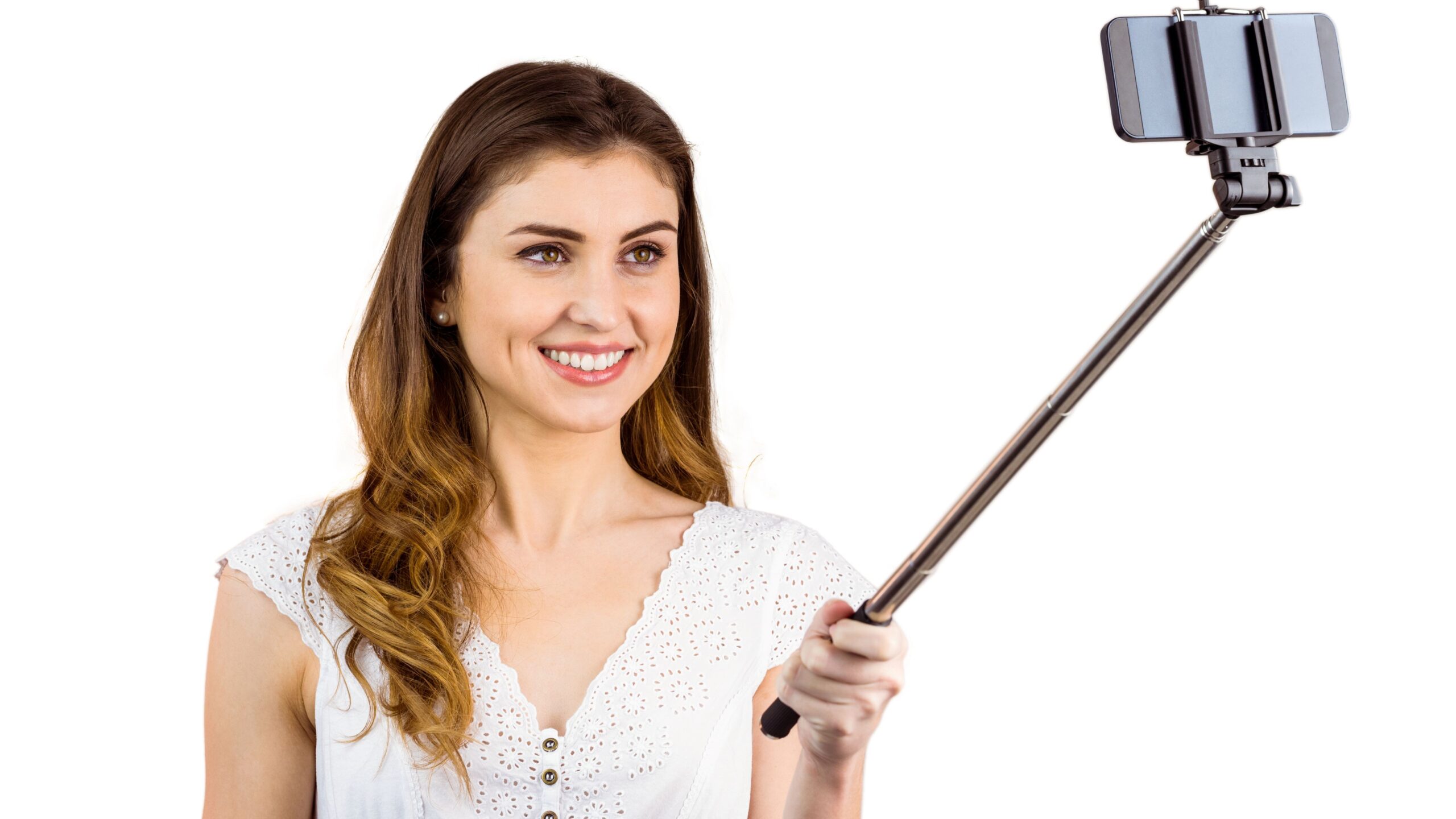
Let’s be honest: selfies have taken over our lives. From social media to casual chats, snapping a quick selfie is second nature for many. But when it comes to official ID photos — like passports, driver’s licenses, or visas — can that selfie cut it? Is it acceptable, or even legal? Today, we’re diving deep into this surprisingly tricky question.
Why Does the Type of Photo Matter for IDs?
ID photos are not just simple snapshots; they serve a critical purpose in verifying a person’s identity. The primary reason these photos have such strict guidelines is to ensure that officials can accurately and quickly recognize the individual. If a photo is blurry, poorly lit, or obscured by shadows, it becomes difficult or even impossible for security personnel or automated systems to match the face with the person presenting the ID. Clear, consistent photographs reduce errors and help prevent mistaken identity, which is essential in countless situations—from boarding a plane to accessing secure facilities.
Beyond just clarity, the uniformity in ID photos plays a vital role in security. Standardized photos prevent tampering and forgery by creating a consistent format that is difficult to manipulate or replicate fraudulently. If every photo followed wildly different styles or conditions, it would be much easier for counterfeiters to slip in altered images or fake IDs. The controlled settings in which official ID photos are taken help maintain the integrity of identity verification systems worldwide.
Another crucial aspect behind these stringent rules is the need to adhere to international standards, especially for travel documents like passports and visas. Countries across the globe agree upon specific photo requirements so that border control agents and immigration officers can reliably assess identities without confusion or ambiguity. This global consistency allows authorities in one country to trust and accept identification issued in another, smoothing the way for international travel and security cooperation.
Finally, the type of photo matters because it forms the foundation of biometric identification technology, which is increasingly common in security systems. These technologies rely on precise measurements and consistent facial features to authenticate individuals. A standardized photo ensures the algorithms can accurately analyze facial landmarks without distortion or distractions caused by inconsistent lighting or angles. As technology advances, having a proper ID photo is becoming even more crucial to maintaining safe and efficient identity verification.
The Traditional ID Photo: What Makes It Special?
- Plain, Light-Colored Background
The background must be simple, usually white or off-white, to avoid distractions. This ensures your face is the clear focus of the photo and helps officials or systems to easily detect and analyze your features without interference from patterns or colors behind you. - Neutral Facial Expression
No smiling, no frowning, no exaggerated expressions. A neutral, relaxed face with your mouth closed and eyes open is required. This consistency across ID photos worldwide helps in accurate identification and reduces variations that could confuse biometric or human recognition. - Even, Shadow-Free Lighting
The photo must be well-lit with no shadows, reflections, or glare on the face or background. Shadows can distort your facial features, while glare can obscure parts of your face. Uniform lighting guarantees every detail, from your eyes to the chin, is visible. - Centered Head and Shoulders
Your head and upper shoulders should be positioned in the center of the frame. This framing ensures your entire face is fully visible, properly proportioned, and fills an appropriate amount of the photo, which aids in recognition. - Head Fully Visible and Properly Sized
The photo requires your entire head (from chin to top of hair) to be clearly visible, typically occupying about 70-80% of the photo’s height. This size ensures your features are easy to see and helps meet biometric standards. - No Accessories That Obscure Face
Hats, scarves, or anything that covers the hairline or face are prohibited unless worn for religious or medical reasons, and even then, they must not hide facial features. This is to avoid any obstruction that might affect recognition. - No Glasses or Only Prescription Glasses Without Glare
Most ID photos do not allow glasses unless medically necessary. Even then, there must be no glare or reflections on the lenses, and frames should not cover the eyes.
Can a Selfie Meet These Criteria?
| Criteria | Typical Selfie Characteristics | Why It Doesn’t Meet ID Standards | Potential Issues | Impact on ID Validity |
| Background | Usually casual settings like bedrooms, cafes, or outdoor locations. | Lacks the plain, light-colored, and uniform background required. | Distracting backgrounds, objects behind, inconsistent colors. | Makes facial features harder to distinguish. |
| Lighting | Often uneven, with shadows or artificial lighting from various angles. | Shadows and glare obscure facial details. | Shadows on face, reflections, and uneven brightness. | Causes distorted facial features, reduces clarity. |
| Angle and Framing | Taken from arm’s length or tilted angles; sometimes cropped. | Does not provide a straight-on, full-face view as required. | Facial distortion, cropped features, and awkward framing. | Leads to inaccurate or unusable photo for ID. |
| Expression | People smile, make funny faces, or show varied emotions in selfies. | Neutral expression with mouth closed and eyes open is mandatory. | Smiling or other expressions change facial muscle appearance. | Makes facial recognition and identification harder. |
| Technical Quality | Quality varies depending on phone camera, lighting, and focus. | Can be blurry, pixelated, or low-resolution. | Blurriness, pixelation, or poor focus reduces detail. | May lead to rejection due to poor photo quality. |
Official Guidelines: What Do They Say About Selfies?
When it comes to official identification documents, most governments and agencies around the world maintain very clear and strict guidelines regarding the types of photos that are acceptable. These regulations are designed to ensure that ID photos are consistent, reliable, and suitable for both human inspection and automated biometric verification systems. Across the board, the general consensus is that selfies do not meet these standards, primarily because they lack the uniformity and technical precision required for official identification.
For example, in the United States, passport photo requirements explicitly state that photos must resemble those taken by a professional or under similar controlled conditions. Selfies, often taken casually with variable lighting and backgrounds, simply do not comply. Similarly, the United Kingdom enforces stringent biometric standards for passport photos that require neutral expressions, consistent lighting, and precise framing — elements difficult to achieve with a typical selfie. These standards are designed to reduce errors during identity verification and maintain the security of travel documents.
Other countries, such as Canada and India, also emphasize the importance of clear, front-facing photos with plain backgrounds, and in many cases, insist that photos be taken by professionals or at least adhere strictly to government specifications. India’s Aadhaar card, one of the largest biometric ID programs in the world, demands a front-facing photo with no distractions in the background, which generally excludes casual selfie photos. Meanwhile, European Union regulations similarly require ID photos that conform to biometric guidelines, making selfies unsuitable for official purposes.
In almost every jurisdiction, selfies are either explicitly prohibited or strongly discouraged because they fail to meet the precise technical requirements set for ID photos. The informal nature of selfies — their varying angles, lighting conditions, and inconsistent quality — makes them unreliable for official identity verification. As a result, while selfies are ubiquitous and convenient for social media and casual use, they remain unacceptable for official ID purposes where accuracy, security, and international compliance are paramount.
Are There Exceptions Where a Selfie Could Work?
- Online Application Portals That Allow Home Photos
Some countries or agencies have started accepting digital photos submitted online as part of ID, passport, or visa applications. In these cases, applicants can sometimes upload a photo taken at home, including selfies, provided they follow strict rules such as having a plain background, proper lighting, no head tilt, and a neutral facial expression. These portals usually offer detailed instructions and even online validation tools to check if the photo meets requirements. - Digital ID and Mobile Verification Apps
A few governments experimenting with digital identification systems use facial recognition technology to authenticate users. These apps may require users to take a selfie to match their biometric data stored in secure databases. However, even here, the selfie must meet stringent quality controls: the lighting, clarity, facial positioning, and absence of obstructions are all critical factors to ensure accurate verification. - Temporary and Informal Identification Cards
Some workplaces, events, clubs, or private organizations issue temporary or informal ID cards where the photo requirements are relaxed. In these scenarios, selfies might be accepted because the IDs serve less formal purposes and don’t need to meet government or biometric standards. These IDs typically focus on quick identification rather than official legal use. - Remote or Hard-to-Reach Locations
In certain remote areas where access to professional photography services is limited or unavailable, authorities might accept selfies for ID photos under specific conditions. These situations often occur during emergency registrations, temporary ID issuance, or humanitarian efforts, where clarity and visibility take precedence over formal standards. - Self-Submitted Photos for Some Online Services
Certain online platforms, such as financial institutions or telehealth providers, may allow users to submit selfies as part of identity verification. Although not official government IDs, these photos must still meet guidelines for facial visibility and clarity to ensure security and fraud prevention. - Renewal Processes With Relaxed Photo Rules
Some jurisdictions allow more leniency during the renewal of IDs or licenses, where a selfie might be accepted if it meets basic quality and framing requirements. This is often seen in digital renewal portals aiming to simplify the process for users.
How to Take an ID-Approved Selfie If You Must
| Step | Description | Why It Matters | Common Mistakes to Avoid | Tips for Best Results |
| Choose a Plain Background | Use a blank wall with a light, neutral color such as white, beige, or pale gray. | A simple background ensures no distractions and clear contrast. | Using busy, patterned, or dark backgrounds that obscure the face. | Pick a well-lit room with minimal clutter behind you. |
| Use Natural Lighting | Stand facing a window or use soft daylight to evenly illuminate your face. | Natural light provides even, shadow-free illumination. | Taking photos in dim light or with harsh overhead lighting causing shadows. | Avoid direct sunlight to prevent harsh shadows or glare. |
| Keep a Neutral Expression | Maintain a relaxed face with mouth closed and eyes open—no smiling or frowning. | A neutral expression standardizes photos for accurate ID matching. | Smiling, frowning, or making exaggerated facial expressions. | Practice in front of a mirror to get a comfortable neutral look. |
| Center Your Head | Position your head and shoulders squarely in the middle of the frame, fully visible. | Proper framing ensures your entire face is captured correctly. | Cropping parts of your head, shoulders, or using off-center angles. | Use the grid feature on your camera app to align your face. |
| Hold the Camera at Eye Level | Keep the camera at the same height as your eyes to avoid distortion or unnatural angles. | Eye-level framing prevents distortion common with selfies. | Holding the camera too high, too low, or angled sideways. | Use a tripod or rest your phone on a stable surface if needed. |
| Remove Accessories | Take off glasses, hats, scarves, or anything covering your face unless medically necessary. | Accessories can obscure facial features and cause rejection. | Wearing reflective glasses, hats that shadow the face, or large jewelry. | If glasses are necessary, ensure no glare and clear visibility. |
| Use a Timer or Ask for Help | Use your camera’s timer function or ask someone else to take the photo for better framing and steadiness. | Avoids arm’s length distortion and blurry images. | Taking selfies with outstretched arms causing strange angles or shaking. | Use a tripod or stable surface; have a helper if possible. |
The Difference Between a Selfie and a Professional ID Photo
At first glance, a selfie might seem like an easy and convenient option for an ID photo, especially since smartphone cameras are now incredibly advanced. However, there are fundamental differences between a typical selfie and a professionally taken ID photo that make the latter far more suitable for official identification purposes. One of the most obvious distinctions is the background. Selfies are often snapped in everyday environments — cluttered rooms, outdoor spaces, or cafes — which rarely provide the plain, uniform backgrounds required for ID photos. Professional ID photos are taken against a controlled, usually white or light gray backdrop, ensuring that nothing distracts from the subject’s face.
Lighting is another critical area where selfies and professional ID photos diverge significantly. Selfies rely on whatever natural or artificial lighting happens to be available, which often results in uneven illumination, shadows, or glare. These lighting inconsistencies can obscure key facial features or create distortions that interfere with identification. In contrast, professional ID photos use carefully controlled, uniform lighting that eliminates shadows and highlights the face evenly, ensuring all facial details are clearly visible and easily recognizable.
Camera angle and positioning also set selfies and professional ID photos apart. Selfies are usually taken at arm’s length or from a tilted angle, which can cause facial distortion or cropping issues. This angle often exaggerates or diminishes certain facial features, making it difficult to get a true representation of the person’s appearance. Professional ID photos, on the other hand, are taken straight-on at eye level, providing a neutral and standardized view of the face. This frontal perspective is essential for biometric systems and human examiners to accurately match the photo with the individual.
Finally, the overall quality control of professional ID photos is much stricter compared to selfies. While selfies are casual snapshots with no set standards for lighting, framing, or expression, professional ID photos adhere to precise specifications. These standards cover everything from facial expression — which must be neutral, with no smile — to the resolution and clarity of the image. This rigorous quality control ensures that official ID photos are consistent, reliable, and suitable for use in secure identification systems worldwide. The casual, playful nature of selfies simply cannot meet these high demands.